Executive Summary
This standardized protocol provides evidence-based guidance for the intraperitoneal (IP) administration of InvivoPro Anti-Mouse PD-1 (CD279) Antibody (Clone RMP1-14, Cat. No. IV0100) in preclinical mouse models. Developed from aggregated independent research data, this document includes optimized dosage ranges, injection parameters, operational best practices, safety monitoring guidelines, and model-specific adjustments to ensure robust, reproducible results in tumor immunology and immune checkpoint blockade studies.
Introduction
Programmed Cell Death Protein 1 (PD-1, CD279), first characterized by Honjo and colleagues in 1992, is a key member of the immunoglobulin superfamily that plays a central role in regulating immune homeostasis and T cell activation. PD-1 exerts its immunomodulatory effects by binding to its ligands PD-L1 and PD-L2, delivering an inhibitory signal that sets the activation threshold of T cells to prevent aberrant autoimmune responses. This critical regulatory function is validated by studies showing that PD-1-deficient mice develop hyperglobulinemia and spontaneous autoimmune pathologies, including glomerulonephritis and arthritis.
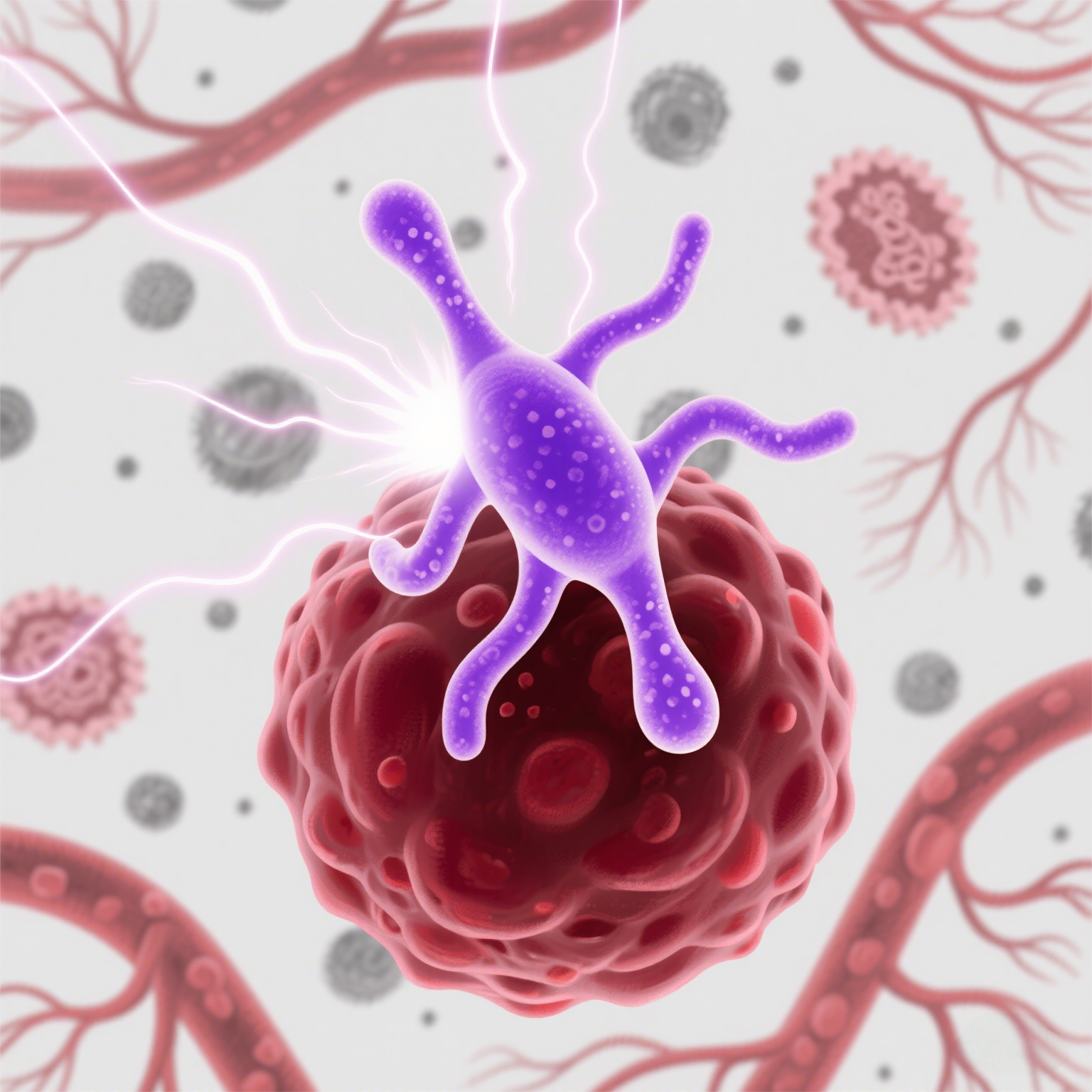
In the tumor microenvironment, malignant cells frequently upregulate PD-L1 expression to engage PD-1 on tumor-infiltrating T cells, driving T cell exhaustion and immune escape. Therapeutic blockade of the PD-1/PD-L1 axis with specific antibodies reverses this immunosuppressive state, restores the anti-tumor effector function of T cells, and has become a first-line immunotherapy strategy for a broad range of solid malignancies, including melanoma, non-small cell lung cancer, renal cell carcinoma, and hepatocellular carcinoma.
Clone RMP1-14 is a well-validated, high-specificity rat anti-mouse PD-1 monoclonal antibody widely used for in vivo blockade of the PD-1/PD-L1 signaling pathway in preclinical mouse studies. This protocol outlines standardized IP administration procedures for this antibody to support consistent, high-quality preclinical research.
Product Specification
|
Cat. No.
|
Product Name
|
Primary Application
|
|
IV0100
|
InvivoPro Anti-Mouse PD-1 (CD279) In Vivo Antibody, Clone RMP1-14
|
In vivo blockade of PD-1/PD-L1 signaling pathway
|
Recommended Intraperitoneal (IP) Injection Protocol
All parameters below are reference recommendations derived from published peer-reviewed studies. Optimal dosing and administration must be optimized for individual experimental conditions, including mouse strain, disease model, intervention duration, target tissue characteristics, and antigen expression levels. We strongly recommend validating parameters in pilot dose-gradient and frequency-finding studies prior to full-scale experiments.
1. Recommended Dosage Ranges
|
Study Type / Model
|
Dosage Regimen (Aggregated from Independent Studies)
|
|
Standard Routine Dosage
|
200–250 μg per mouse, per injection
|
|
Renal Cell Carcinoma Model
|
250 μg per injection every 4 days, for a total of 4 doses
|
|
Hepatocellular Carcinoma Model
|
250 μg administered 24h pre-surgery, with repeat doses on post-operative days 3 and 7
|
|
Triple-Negative Breast Cancer Model
|
200 μg per injection, for combination therapy regimens
|
|
Melanoma Model
|
200 μg per injection, once weekly
|
|
Body Weight-Based Dosing
|
5–10 mg/kg
|
|
Esophageal Carcinoma Model
|
10 mg/kg once every 3 days
|
|
Lung Cancer Model
|
5–7 mg/kg 3 times per week
|
2. Recommended Injection Volume & Solvent
|
Parameter
|
Recommendation
|
|
Standard Injection Volume
|
100–200 μL per dose
|
|
Recommended Solvent
|
Sterile, endotoxin-free PBS (pH 7.2)
|
|
Representative Formulation Example
|
200 μg of antibody stock diluted to a final volume of 200 μL with sterile PBS
|
3. Dosing Frequency
|
Tumor Phenotype
|
Recommended Dosing Frequency
|
Supporting Model Reference
|
|
Rapidly Progressive Tumors
|
Once every 3–4 days
|
Renal cell carcinoma, colon carcinoma models
|
|
Slow-Growing / Chronic Tumors
|
1–2 times per week
|
Melanoma, pancreatic cancer models
|
|
Pre-Surgical Neoadjuvant Therapy
|
Single dose administered 24h pre-operatively
|
Hepatocellular carcinoma model
|
Critical Operational Guidelines & Optimization Recommendations
1. Solvent Selection & Antibody Stability Control
- Buffer Requirements: Prioritize sterile, pH 7.2 PBS buffer to minimize antibody aggregation and preserve bioactivity.
- Prohibited Solvents: Do not use solvents containing endotoxins; all materials and solutions must be sterile for in vivo studies.
- Optimal Formulation Concentration: 1–2 μg/μL (e.g., 200 μg in 100–200 μL) to balance physiological osmolarity and in vivo distribution efficiency.
2. Safe Injection Volume Thresholds
- Absolute Maximum Single Dose Volume: ≤10 mL/kg body weight (equivalent to 200 μL for a 20 g mouse)
- Conservative Recommended Volume: ≤5 mL/kg body weight (equivalent to 100 μL for a 20 g mouse) to avoid acute increases in intra-abdominal pressure and visceral injury.
3. Validated Combination Treatment Strategies
|
Combination Modality
|
Optimized Regimen
|
|
Immune Checkpoint Co-Blockade
|
100 μg anti-CTLA-4 antibody (Cat. No. IV0109) + 100 μg anti-PD-1 antibody (Cat. No. IV0100) per injection
|
|
Non-Antibody Combination Therapy (Oxygen Microcapsules)
|
Oxygen microcapsules (intratumoral) + 200 μg anti-PD-1 antibody
|
|
Non-Antibody Combination Therapy (p53 Protein)
|
Recombinant p53 protein (intratumoral) + 200 μg anti-PD-1 antibody
|
Safety Monitoring & Control Group Setup
1. Immune-Related Adverse Events (irAEs) Monitoring
Routine monitoring is required to detect and mitigate irAEs, the most common of which include:
- Body weight loss >20% of baseline
- Intestinal microbiota dysregulation and associated gastrointestinal adverse events
Additional monitoring of behavior, cardiac biomarkers, and organ function is recommended for combination therapy studies. If body weight decreases by >15% from baseline within 48 hours of the first dose, reduce the subsequent dose to 150 μg per injection.
2. Mandatory Control Groups
|
Control Group Type
|
Dosing Regimen
|
Control Objective
|
|
Isotype Control
|
Rat IgG2a Isotype Control (Cat. No. IV0105), matched dose and administration schedule
|
Rule out non-specific immune activation unrelated to PD-1 blockade
|
|
Vehicle Control
|
Sterile PBS buffer, matched volume and administration schedule
|
Exclude effects of the injection solvent itself
|
|
Single-Agent Control
|
Monotherapy with individual agents used in combination regimens
|
Evaluate synergistic effects of combination treatments
|
Special Considerations for Specific Experimental Models
1. Adjustments for Mouse Body Weight Variations
- Young Mice (<15 g body weight): Calculate dose using the 10 mg/kg body weight-based regimen (e.g., 100 μg for a 10 g mouse)
- Obese Mouse Models: Calculate dose based on lean body mass (LBM) rather than total body weight to avoid overdosing and excessive toxicity.
2. Tumor Type-Specific Adjustments
- Hepatocellular Carcinoma with Concurrent Liver Cirrhosis: Reduce dose to 150 μg per injection to minimize the risk of exacerbating liver function impairment.
- Pancreatic Cancer (Low Immune Infiltration Phenotype): Combine with local adjuvant therapy (e.g., intratumoral oxygen microcapsules) to enhance antibody penetration into the tumor microenvironment and improve treatment efficacy.
Quick Reference Summary Table
|
Parameter
|
Standard Recommendation
|
Adjustable Range
|
|
Single Dose
|
200 μg per mouse
|
200–250 μg per mouse, or 5–10 mg/kg body weight
|
|
Antibody Formulation Concentration
|
1–2 μg/μL
|
Optimize based on experimental efficacy
|
|
Injection Volume
|
100–200 μL
|
≤200 μL for a 20–25 g mouse
|
|
Dosing Frequency
|
Once every 3–7 days
|
Adjust based on tumor growth rate and progression
|
|
Safety Monitoring
|
Body weight, behavioral assessment, cardiac biomarkers
|
Twice weekly for combination therapy studies
|
Critical Operational Tip
For 22–25 g mice: Prepare 200 μg of RMP1-14 antibody in 200 μL sterile PBS. Insert the needle into the left lower abdomen at a 45° angle, with an injection speed ≤50 μL/s to prevent visceral injury. Monitor body weight 48 hours after the first dose; reduce the dose to 150 μg per injection if body weight drops by >15% from baseline.
About InvivoCrown
InvivoCrown, founded in 2021 at Cambridge Science Park, UK, is a specialist provider of high-purity, cost-effective in vivo-grade antibodies for global immunology and oncology research. Backed by Cambridge University immunology experts, our rigorously validated antibodies cover both classic and novel therapeutic targets.
Keywords
Anti-Mouse PD-1 Antibody, RMP1-14 Clone, In Vivo IP Injection Protocol, Tumor Immunotherapy Research, Immune Checkpoint Inhibition, IV0100 Antibody, Mouse Preclinical Models, PD-1/PD-L1 Pathway Blockade